
PATI PATNI AUR VO
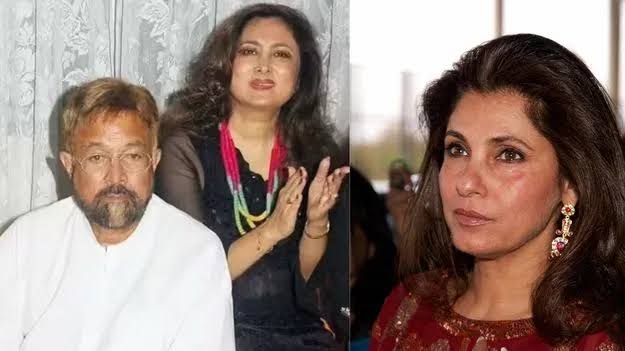
LIVE IN RELATIONSHIPS AND RELATIONSHIP IN THE NATURE OF MARRIAGE ANITA ADVANI AND RAJESH KHANNA The case raises an important question. When can a live in relationship be treated as a relationship in the nature of marriage under Indian law Supreme Court’s recent decision concerning the relationship between Anita Advani and Rajesh Khanna. The Supreme Court’s recent dismissal of a plea seeking recognition of Anita Advani’s relationship with late actor Rajesh Khanna as a marriage brings renewed attention to an important area of Indian family law. The distinction is significant because Indian law recognises that certain relationships outside formal marriage may receive statutory protection. At the same time a live in relationship does not automatically acquire the legal status of marriage. Background of the case Anita Advani claimed that she had been in a long term relationship with Rajesh Khanna and sought legal recognition of that relationship along with other reliefs arising from her alleged eviction from his residence. The claim faced a significant legal difficulty because Rajesh Khanna remained legally married to Dimple Kapadia although they had reportedly been living separately for many years. The Bombay High Court declined to recognise the relationship as a relationship in the nature of marriage. The Supreme Court has now declined to interfere with that decision. The decision is important not merely because of the persons involved but because it illustrates the legal limits surrounding recognition of non marital relationships. A live in relationship is not automatically a marriage The Protection of Women from Domestic Violence Act 2005 provides protection to a woman who is or has been in a relationship in the nature of marriage with the respondent. However, this does not mean that every live in relationship will qualify. In D Velusamy versus D Patchaiammal decided in 2010 the Supreme Court explained that a relationship in the nature of marriage must possess certain characteristics of a marital relationship. Relevant factors include the duration of the relationship whether the parties lived together in a shared household whether they represented themselves to society as spouses the nature of their domestic arrangements and whether the parties were legally capable of entering into a marriage. The Court made it clear that merely living together having a sexual relationship or maintaining a relationship for a limited period does not automatically establish a relationship in the nature of marriage. The importance of being legally capable of marriage One of the important aspects of the Velusamy judgment is the requirement that the parties should be legally capable of entering into a marriage. This becomes particularly relevant when one party is already married. A relationship involving a person whose existing marriage has not been legally dissolved cannot simply be treated as equivalent to a valid marriage merely because the parties have lived together for a considerable period. This does not mean that a woman involved with a married man necessarily has no legal remedy. The availability of protection under the Domestic Violence Act must be examined in accordance with the facts of each case and the applicable law. The Indra Sarma decision The Supreme Court subsequently examined the issue […]
Read more